


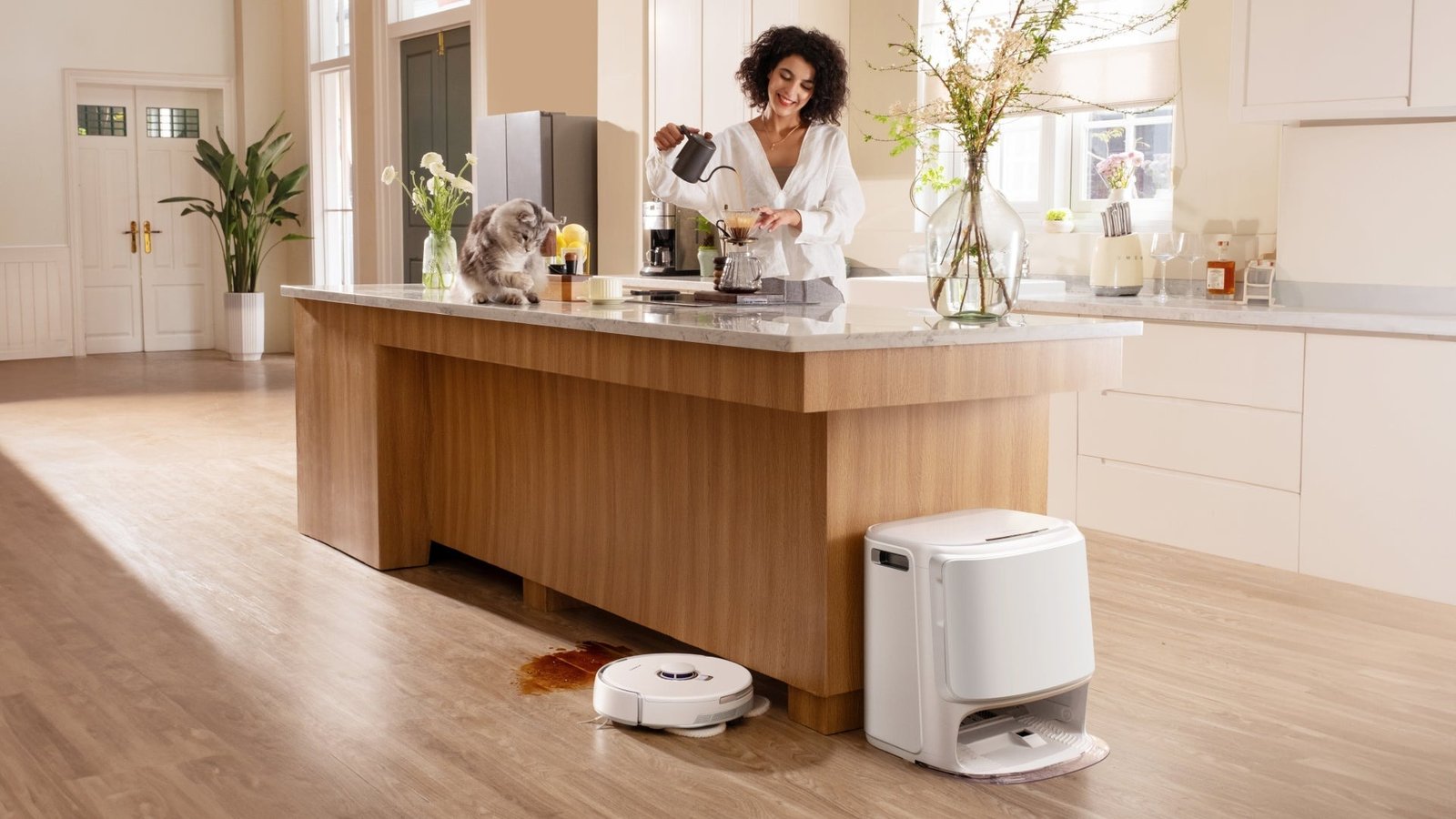
In today’s fast‑paced world, maintaining a clean and healthy home environment can feel like another full‑time job. Traditional cleaning routines eat into precious free time, and even with regular effort it’s easy to fall behind on dusting, vacuuming, and mopping. Fortunately, the rise of smart cleaning appliances has transformed how households tackle daily chores. These connected devices bring automation, intelligent navigation, and hands‑free convenience into everyday living, letting you spend more time on what matters most.
Smart cleaning appliances encompass a broad range of technologies, from robot vacuums and mops to app‑controlled air purifiers and self‑cleaning systems. Among these, autonomous floor cleaning robots have emerged as a cornerstone of modern home maintenance, offering consistent performance and tangible time savings. There’s a good reason why robot vacuum and mop combos are one of the most talked‑about smart home categories in recent years: they tackle the grunt work of cleaning with minimal human involvement.
A robot vacuum operates independently within your home, navigating rooms, avoiding obstacles, and performing scheduled cleaning runs. Advances in smart mapping and object detection mean these devices can now optimize their paths and adjust cleaning intensity depending on floor type and dirt levels. Many models integrate sensors and algorithms that enable them to clean systematically rather than aimlessly bump around the floor, which greatly increases their efficiency.
One of the most compelling benefits of adopting smart cleaning appliances is the way they free up your time. Imagine scheduling a robot to vacuum and mop while you’re at work, running errands, or simply relaxing with family. Instead of allocating weekend hours to chores, your floors stay clean with routine, automated cycles that you set and control from your smartphone. This level of convenience is a major driver behind the increasing adoption of connected cleaning devices in households worldwide.
Aside from time savings, smart cleaning appliances often improve overall cleaning consistency. Traditional manual cleaning is sporadic by nature — dust and debris accumulate between sessions, especially in high traffic areas. Robots that operate frequently, on a set schedule, maintain a base level of cleanliness that would be difficult to achieve with conventional tools alone. This makes them particularly useful in homes with pets, children, or allergy sufferers, where frequent removal of dust, pet hair, and allergens significantly enhances comfort and hygiene.
Another aspect of the smart cleaning revolution is the integration of user‑friendly interfaces and remote control capabilities. Most smart devices connect to mobile apps that allow homeowners to start, stop, and customize cleaning sessions from anywhere. Many also offer voice control via popular smart assistants, further streamlining the experience. These interface improvements make automation accessible and intuitive, even for users who are new to smart home tech.
Beyond robotic floor cleaners, other smart appliances contribute to a cleaner living environment. Smart dishwashers and washing machines, for example, detect load size and soil level to adjust water and detergent use more efficiently, reducing waste and improving cleaning outcomes. Smart air purifiers monitor air quality in real time and adjust fan speeds to capture pollutants more effectively, creating healthier indoor air. All of these devices unify under the broader trend toward smarter, more responsive homes.
Of course, smart cleaning technologies are not without limitations. Most robot vacuums cannot replace deep manual cleaning entirely; stairs, tight corners, and heavy stains still require traditional tools or human intervention. Some users also face a learning curve when integrating multiple smart devices and managing Wi‑Fi connectivity, app configurations, and maintenance routines. However, despite these challenges, the overall impact on daily living is significant. Homeowners report spending less time on routine maintenance and experiencing cleaner, more orderly environments overall.
For those considering a transition to smart cleaning tools, it’s worth looking at devices that combine vacuuming and mopping functions, offer automated base station features like self‑emptying and mop cleaning, and include intelligent path planning. These attributes together provide the most seamless, low‑effort experience. Smart home cleaning devices continue to evolve rapidly, with new models pushing the boundaries of autonomy, precision navigation, and adaptive cleaning strategies.
In this landscape of innovation, one brand stands out for pushing automation and performance forward in smart floor cleaning solutions — explore how products from Narwal integrate intelligent mapping, self‑cleaning systems, and advanced suction and mopping technology to make everyday cleaning easier and more effective. Whether you’re aiming for consistent floor care, reduced manual chores, or a smarter home ecosystem, smart appliances are reshaping how we think about household maintenance.
