


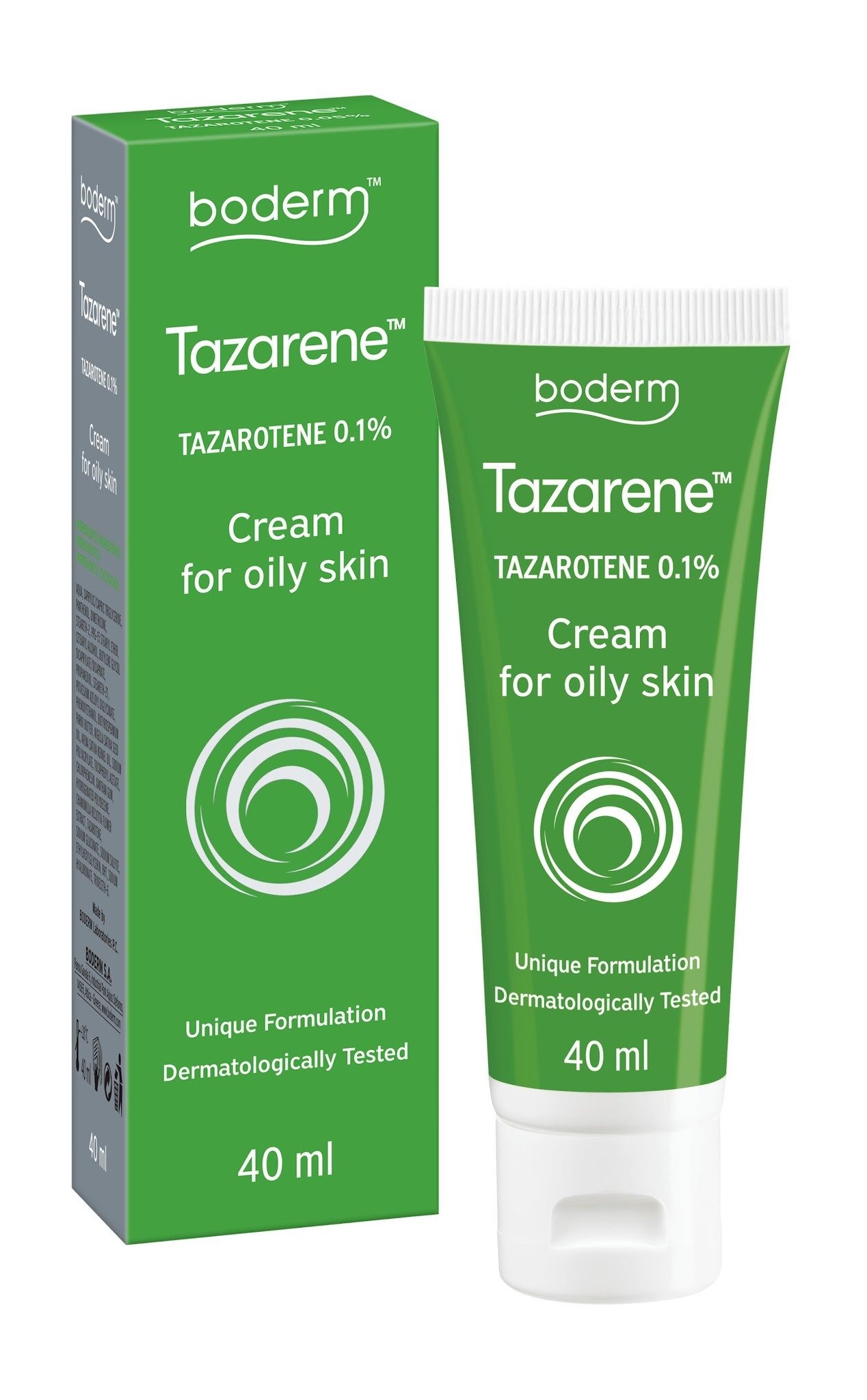
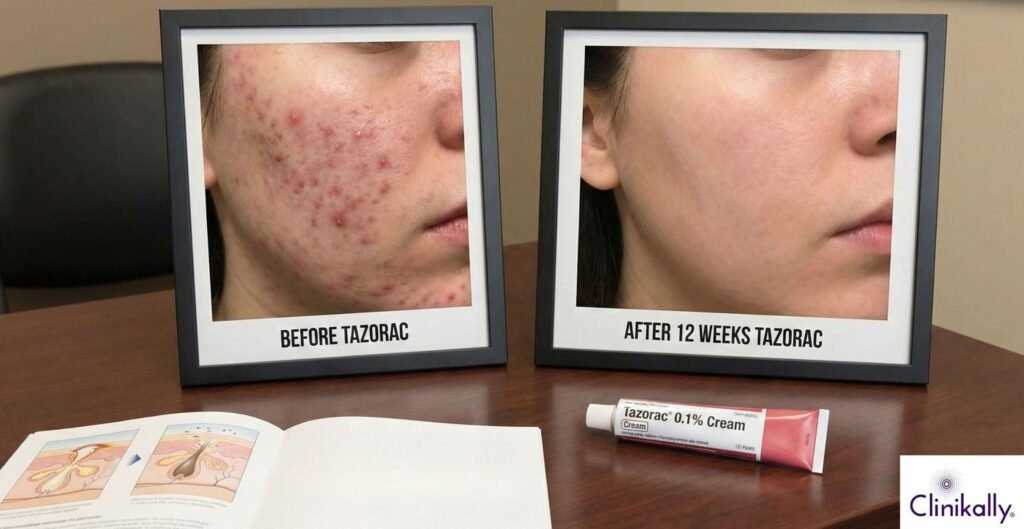
Tazarotene cream is a third-generation topical retinoid widely used in dermatology for the treatment of acne vulgaris, plaque psoriasis, and certain forms of photodamaged skin. Compared to many other topical retinoids, tazarotene is often considered one of the most potent options available, which is why it is commonly prescribed for patients who require stronger retinoid activity.
As a Tazorac generic, tazarotene cream is available in multiple strengths, including 0.05% and 0.1%, allowing treatment intensity to be adjusted based on skin tolerance and clinical severity.
What Tazarotene Cream Is Used For
Tazarotene is commonly prescribed for:
- Moderate acne vulgaris
- Persistent comedonal acne
- Plaque psoriasis
- Rough skin texture and photoaging
- Chronic pore congestion
Unlike temporary spot treatments, topical retinoids such as tazarotene work at the cellular level to regulate abnormal skin turnover and inflammation.
For a detailed overview of strengths, application methods, and treatment expectations, see this guide on how Tazarotene cream (Tazorac generic) is used for acne and psoriasis treatment:
tazarotene cream treatment guide
How Tazarotene Works
Tazarotene belongs to the retinoid class of medications and selectively targets retinoic acid receptors in the skin. This affects keratinocyte growth and differentiation, helping normalize skin cell turnover.
Its effects may include:
- Prevention of clogged pores
- Reduction of blackheads and whiteheads
- Increased exfoliation
- Improvement in inflammatory acne lesions
- Slowing excessive skin cell buildup in psoriasis
Because of these mechanisms, tazarotene is frequently used in both acne and psoriasis management.
Why Tazarotene Is Considered a Strong Retinoid
Compared to some other topical retinoids, tazarotene is often regarded as highly effective but also more irritating for sensitive skin.
Higher strengths may provide:
- Faster retinoid activity
- Stronger exfoliation
- More aggressive pore turnover
- Improved plaque psoriasis control
However, stronger retinoid action also increases the risk of:
- Dryness
- Redness
- Peeling
- Irritation during early treatment
Because of this, many dermatologists introduce tazarotene gradually.
Tazarotene for Acne Treatment
In acne management, tazarotene helps reduce:
- Comedonal acne
- Inflammatory lesions
- Pore blockage
- Residual rough texture
By preventing microcomedone formation early in the acne cycle, retinoids help reduce future breakouts rather than only treating existing pimples.
Long-term use may also improve:
- Post-acne pigmentation
- Uneven texture
- Mild acne scarring appearance
Tazarotene for Psoriasis
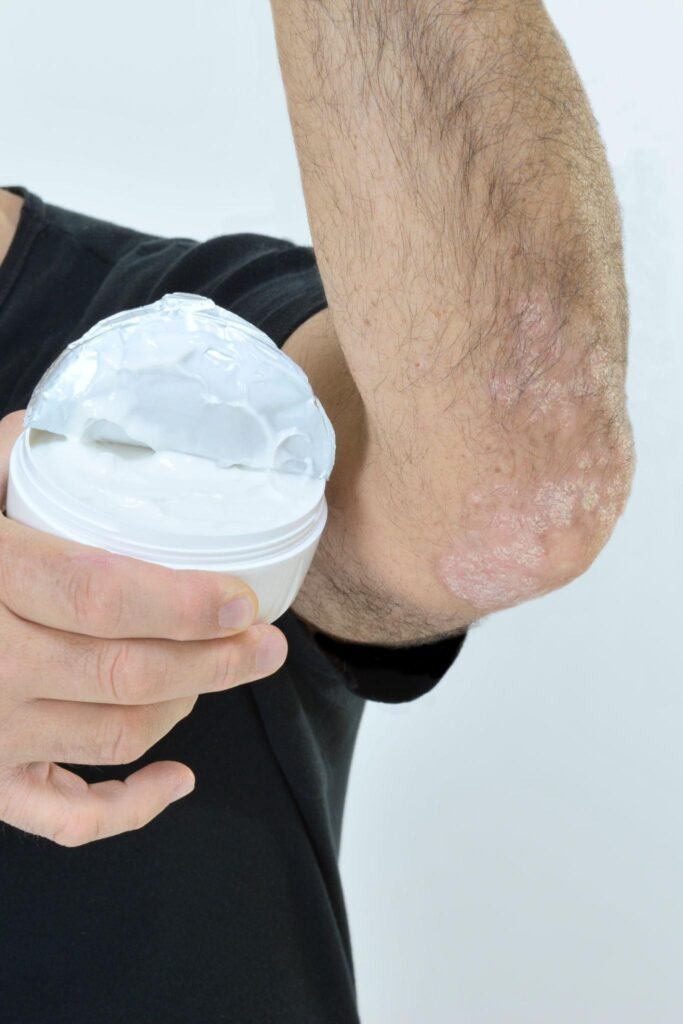
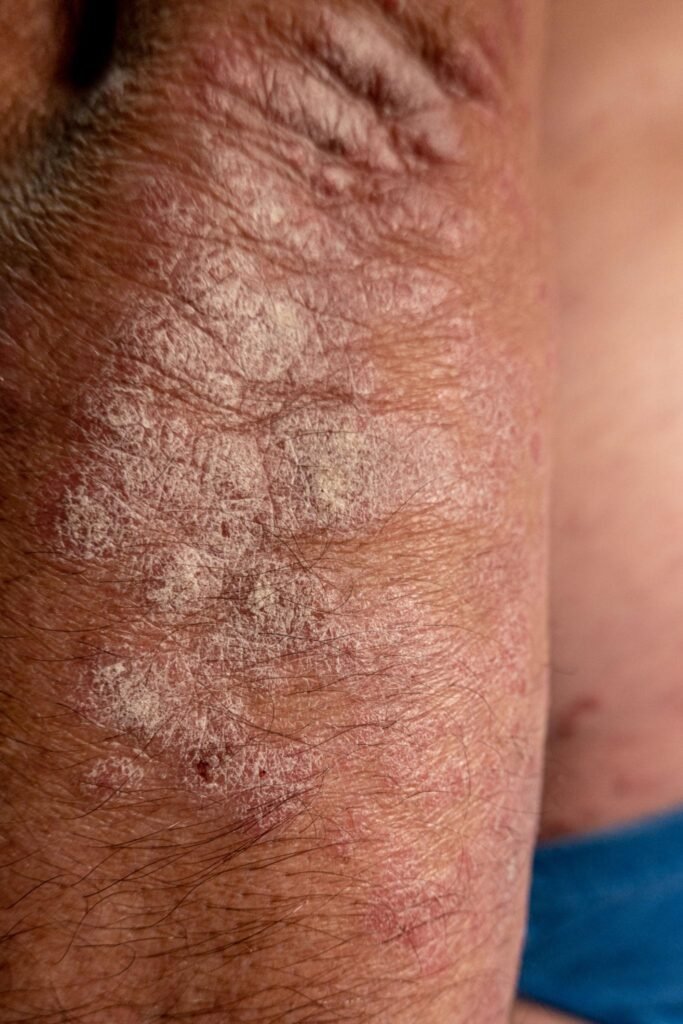
Tazarotene is also FDA-approved for plaque psoriasis treatment.
In psoriasis, it helps:
- Slow excessive skin cell growth
- Reduce plaque thickness
- Improve scaling and roughness
Dermatologists often combine tazarotene with:
- Topical corticosteroids
- Moisturizers
- Phototherapy
Combination therapy may improve tolerability while increasing effectiveness.
The Retinoid Adjustment Phase
Many patients experience a temporary adjustment period during early treatment.
Common early reactions include:
- Peeling
- Dryness
- Burning sensation
- Increased sensitivity
- Temporary worsening of acne lesions
This phase is commonly referred to as “retinization” and often improves gradually as the skin adapts.
Proper moisturization and gradual introduction may significantly improve tolerability.
Proper Application Guidelines
Typical recommendations include:
- Apply once daily at night
- Use only a thin layer
- Avoid excessive application
- Apply to dry skin after cleansing
Many dermatologists recommend starting:
- Every other night initially
- With gentle cleansers and moisturizers
- Alongside daily sunscreen use
Overusing strong retinoids often increases irritation without improving results faster.
Importance of Sun Protection
Tazarotene significantly increases photosensitivity.
Without sunscreen:
- Irritation risk increases
- Hyperpigmentation may worsen
- Sunburn becomes more likely
Daily broad-spectrum SPF protection is considered essential during treatment.
Pregnancy Warning
Tazarotene is contraindicated during pregnancy because retinoids may cause fetal harm.
Patients who are pregnant or planning pregnancy should avoid topical tazarotene therapy unless specifically advised otherwise by a healthcare professional.
Long-Term Expectations
Retinoid therapy requires patience and consistency.
Visible improvement typically develops gradually:
- Early irritation may appear first
- Acne reduction often requires weeks
- Texture improvement may continue for months
Patients who continue treatment consistently often notice:
- Fewer breakouts
- Smoother skin texture
- Reduced plaque formation in psoriasis
- Improved overall skin appearance
Clinical Information
For medically reviewed information about tazarotene and topical retinoid therapy, see this clinical overview of tazarotene mechanism and treatment safety:
tazarotene topical therapy clinical overview
Conclusion
Tazarotene cream (Tazorac generic) is a high-potency topical retinoid used for acne, psoriasis, and long-term skin renewal therapy. By regulating skin turnover and reducing abnormal keratinization, it addresses several underlying mechanisms involved in chronic dermatological conditions.
When introduced carefully and combined with proper moisturization and sun protection, tazarotene therapy can provide substantial long-term improvement in both acne-prone and psoriasis-affected skin.
