


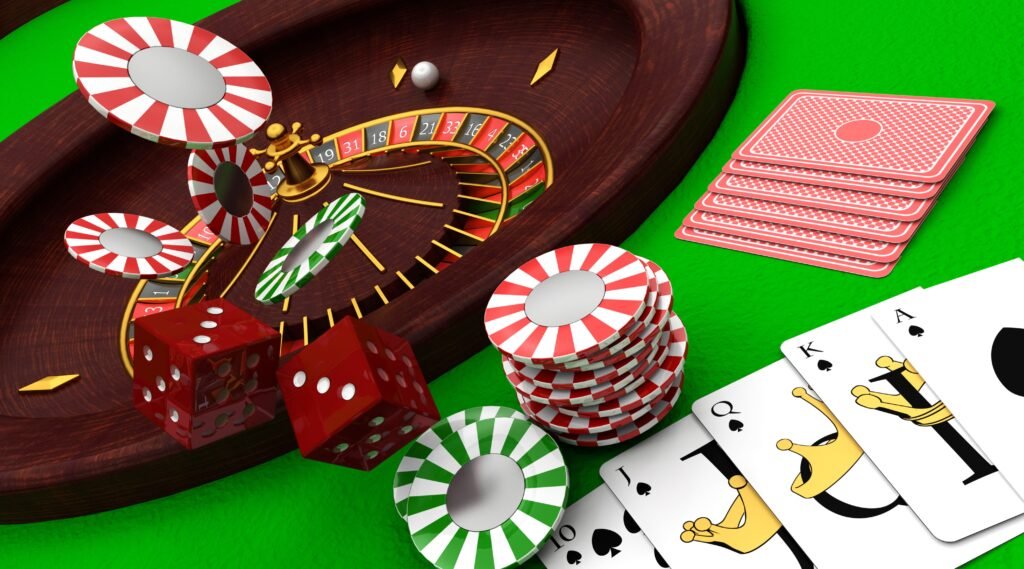
The term “slot” carries multiple meanings depending on the context in which it is used. At its core, a slot refers to a narrow opening or a designated place where something fits. Over time, the word has evolved and is now commonly associated with technology, gaming, scheduling, and mechanical systems. Understanding the different uses of “slot” helps clarify its importance in modern life, especially in areas such as entertainment, computing, and time management.
Slot in Gaming and Entertainment
One of the most popular uses of the term slot is in the world of gaming. Slot games, often referred to as slot machines, are a cornerstone of casinos and online gaming platforms. These games typically involve spinning reels with various symbols, where players aim to match combinations to win prizes.
Modern slot games have evolved far beyond traditional mechanical machines. Today, digital slots feature advanced graphics, themes, sound effects, and interactive bonus rounds. They appeal to a wide audience due to their simplicity and the excitement of chance-based rewards. Online slots, in particular, have expanded access, allowing players to enjoy games from anywhere with an internet connection.
Slot in Technology
In the field of technology, a slot refers to a specific place or opening designed to hold a component. For example, computer motherboards contain slots for inserting RAM, graphics cards, and other hardware. These slots ensure that components are securely connected and function properly.
Slots in technology are essential for expandability and customization. Users can upgrade their systems by adding or replacing components in these designated spaces. This concept is also seen in devices like gaming consoles, printers, and even smartphones, where SIM card slots or memory card slots are used.
Slot in Scheduling and Time Management
Another common use of the term “slot” is in scheduling. A time slot refers to a specific period allocated for an activity, meeting, or event. This concept is widely used in business, education, healthcare, and personal planning.
Time slots help organize daily routines and ensure efficient use of time. For example, appointments with doctors, classes in schools, or meetings in offices are often arranged in slots. This structured approach reduces conflicts and improves productivity by clearly defining when tasks should be performed.
Slot in Aviation
In aviation, a slot has a very specific meaning. It refers to permission granted to an airline to take off or land at a particular airport during a specified time window. These slots are crucial for managing air traffic and preventing congestion at busy airports.
Airline slots are carefully coordinated to ensure safety and efficiency. Since airports have limited capacity, especially during peak hours, slots help regulate the number of flights operating at any given time. This system ensures smooth operations and minimizes delays.
Slot in Mechanical Design
In mechanical and engineering contexts, a slot is often a groove or opening designed to guide or hold a component. Slots are commonly found in tools, machines, and construction materials. For instance, a screwdriver may fit into a slot on a screw head, or a metal frame may have slots for adjustable parts.
These slots are designed with precision to ensure proper alignment and functionality. They play a vital role in manufacturing and assembly processes, making it easier to build and maintain complex systems.
Slot in Digital Platforms
In the digital world, slots are often used in user interfaces and software systems. For example, websites and applications may have “ad slots,” which are designated areas where advertisements are displayed. Similarly, content management systems may use slots to organize and present information dynamically.
Slots in digital platforms allow for flexibility and customization. Developers can design systems where content can be easily inserted, replaced, or updated without affecting the overall structure. This modular approach improves efficiency and user experience.
Slot in Sports
In sports, particularly in games like football or hockey, the term “slot” refers to a specific area on the playing field. For example, in ice hockey, the slot is the area directly in front of the goal, where scoring opportunities are highest.
Players positioned in the slot are often in a strategic position to score or create chances. Understanding the importance of this area helps teams develop effective offensive and defensive strategies.
Slot in Linguistics and Grammar
In linguistics, a slot can refer to a position within a sentence structure where a particular type of word or phrase can be placed. For example, in a simple sentence, there may be slots for a subject, verb, and object.
This concept helps linguists analyze language patterns and understand how sentences are formed. It also plays a role in language learning, as it helps learners recognize where different elements should be placed within a sentence.
Slot in Manufacturing and Industry
In industrial settings, slots are used in production lines and machinery to organize and guide materials. For example, conveyor belts may have slots to hold items in place as they move through different stages of production.
These slots improve efficiency by ensuring that items are correctly positioned and processed. They also help maintain consistency and quality in manufacturing processes.
Slot in Everyday Life
Slots are present in many aspects of daily life, often without us noticing. Mailboxes have slots for inserting letters, vending machines have slots for coins or cards, and doors may have slots for keys. These simple yet functional designs make everyday tasks easier and more convenient.
The concept of a slot as a designated space or opening is fundamental to how many objects and systems are designed. It reflects the importance of organization, precision, and usability in both simple and complex applications.
Advantages of Slot Systems
Slot systems offer several advantages across different fields. They provide structure, improve organization, and enhance efficiency. By defining specific spaces or times for activities or components, slots reduce confusion and ensure smooth operations.
In technology, slots allow for easy upgrades and maintenance. In scheduling, they help manage time effectively. In gaming, they create engaging and entertaining experiences. This versatility makes the concept of slots highly valuable in modern society.
Challenges and Limitations of Slots
Despite their benefits, slot systems can also have limitations. In scheduling, rigid time slots may reduce flexibility and make it difficult to adapt to unexpected changes. In aviation, limited slots at busy airports can restrict airline operations and increase costs.
In gaming, slot machines can sometimes encourage excessive spending if not used responsibly. Therefore, it is important to understand the context and use slots in a balanced and mindful way.
Future of Slot Systems
As technology continues to evolve, the concept of slots is likely to become even more advanced. In digital systems, artificial intelligence and automation may optimize slot allocation for better efficiency. In gaming, virtual reality and immersive technologies could transform the slot experience.
In scheduling and logistics, smart systems may dynamically adjust slots based on real-time data, improving flexibility and productivity. These advancements highlight the ongoing relevance of slots in shaping modern systems and experiences.
Conclusion
The concept of a slot is simple yet incredibly versatile. From gaming and technology to scheduling and everyday life, slots play a crucial role in organizing and managing various aspects of our world. By providing designated spaces or times, they enhance efficiency, structure, and functionality.
Understanding the different meanings and applications of slots helps us appreciate their importance and use them effectively. Whether in a casino, a computer, or a daily schedule, slots are an integral part of how systems operate and how we interact with them.
