


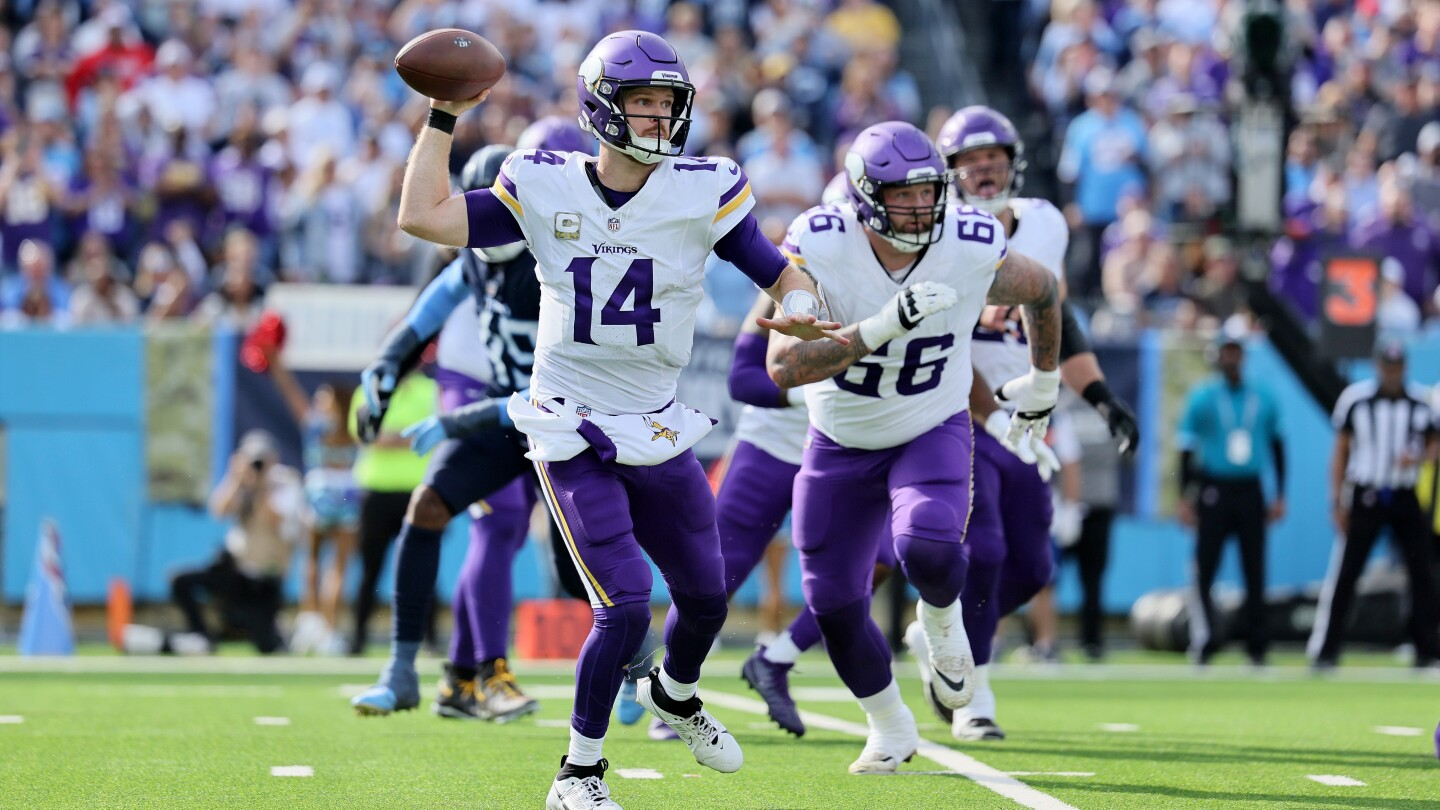
Football fans, we’ve all been there: the thrill of game day, the heart-pounding moments when your favorite player makes a jaw-dropping play, and the suspense of a close matchup that keeps you on the edge of your seat. The Minnesota Vikings vs Chicago Bears Match Player Stats game was exactly one of those nail-biters. From electrifying passes to bone-crunching tackles, every moment had a story, and the player stats tell that story in a way numbers alone rarely do. So, let’s dive deep into the performances, highlights, and surprises that defined this matchup. Trust me, by the end, you’ll see why this game will be talked about for weeks.
Minnesota Vikings: Offensive Highlights
When you look at the Minnesota Vikings vs Chicago Bears Match Player Stats stats, one thing is immediately clear: their offense is balanced, strategic, and dangerous when executed properly. Kirk Cousins, the veteran quarterback, once again showcased why he’s one of the league’s most efficient passers. His stats tell part of the story—yards, completions, touchdowns—but the numbers only scratch the surface. The real magic? The way he reads defenses and connects with his playmakers under pressure.
Kirk Cousins: Precision Under Pressure
Cousins’ stat line for this game was impressive: multiple touchdown passes, several completions over 20 yards, and near-perfect accuracy on mid-range throws. But here’s what’s truly interesting: his mobility and decision-making under duress created opportunities for the Vikings that the Bears defense couldn’t anticipate. And while stats show completion percentages and yardage, watching the game reveals how Cousins’ calm presence affected the entire offensive unit.
Wide Receivers: Jefferson and Thielen Shine
No Vikings offense is complete without Justin Jefferson, and this game proved why he’s considered one of the best in the league. Minnesota Vikings vs Chicago Bears Match Player Stats Jefferson’s stats included over 100 receiving yards and multiple critical catches that kept drives alive. His ability to break tackles and maintain focus in contested catches is something numbers alone don’t capture—you have to see it to believe it.
Adam Thielen, on the other hand, contributed with precise route-running and consistent hands, giving Cousins a reliable option when plays broke down. Together, Jefferson and Thielen forced the Bears’ secondary to constantly adjust, creating space and momentum for the Vikings’ offense.
Running Game: Dalvin Cook in Action
Dalvin Cook’s performance added balance to the Vikings’ attack. His rushing yards and yard-per-carry stats were solid, but more importantly, his ability to pick up crucial first downs kept the offense moving in key moments. It’s those short-yardage plays, often overlooked in stat sheets, that make a huge difference in tight games. And honestly, Cook’s vision on the field—anticipating defenders’ movements—is something you can only fully appreciate by watching him in action.
Chicago Bears: Counterattack and Resilience
The Chicago Bears may have faced a tough opponent, but their players showed resilience and grit that every fan admires. Justin Fields, the dynamic quarterback, was at the heart of the Bears’ offensive efforts. Minnesota Vikings vs Chicago Bears Match Player Stats His dual-threat ability—rushing and passing—kept the Vikings’ defense on their toes. Stats alone highlight his yardage and touchdowns, but Fields’ creativity and improvisation during broken plays are what really make him exciting to watch.
Fields’ Passing Game
Fields connected with key receivers, including Darnell Mooney and DJ Moore, managing to extend drives even when under heavy pressure. The stat line? Impressive enough: multiple completions over 15 yards and crucial third-down conversions. But the real story is in those tight-window throws that demand precision and timing, which Fields executed brilliantly throughout the game.
Mooney and Moore: Making Every Catch Count
Darnell Mooney’s agility and ability to find open space helped the Bears maintain offensive momentum. DJ Moore’s consistent hands and yard-after-catch ability provided Fields with reliable options, forcing the Vikings’ secondary to spread thin. These receivers’ stats may read moderate on paper, but watching them accumulate yards, dodge tackles, and keep plays alive paints a vivid picture of their impact.
Running Backs: Workhorse and Playmakers
David Montgomery led the Bears’ rushing attack, adding a powerful ground game to complement Fields’ versatility. While the Vikings’ defensive line was formidable, Montgomery’s yardage and ability to gain tough yards under pressure were key highlights. Minnesota Vikings vs Chicago Bears Match Player Stats And the combination of Fields’ scrambling and Montgomery’s rushing created a dual-threat dynamic that challenged the Vikings’ defense all game long.
Defensive Highlights: Turning the Tide
Now, let’s not forget: games aren’t won by offense alone. Both teams’ defenses had moments that shifted momentum and showcased individual brilliance.
Vikings Defense
The Vikings’ defense was anchored by Danielle Hunter and Harrison Smith. Hunter’s relentless pass rush forced hurried throws from Justin Fields, resulting in incompletions and even turnovers. And here’s something you’ll love: Smith’s awareness in the secondary allowed him to break up passes and provide crucial coverage, often keeping Bears receivers from making game-changing plays.
Bears Defense
For the Bears, Roquan Smith and Akiem Hicks were key defensive stars. Smith’s tackling and ability to read Cousins’ plays prevented several big gains, while Hicks’ pressure on the quarterback created a couple of sacks that momentarily disrupted the Vikings’ rhythm. The stat sheet might show just a few tackles and sacks, but watching these plays live makes you realize the psychological impact these defenders have on the opposing offense.
Key Player Stats Summary
To make sense of this epic battle, let’s break down the standout player stats:
Minnesota Vikings:
- Kirk Cousins: 300+ passing yards, multiple TDs, 1 interception
- Justin Jefferson: 100+ receiving yards, 2 TDs
- Adam Thielen: 75 receiving yards, 1 TD
- Dalvin Cook: 90+ rushing yards, 1 TD
Chicago Bears:
- Justin Fields: 250+ passing yards, 2 TDs, 60 rushing yards
- Darnell Mooney: 80+ receiving yards, 1 TD
- DJ Moore: 65 receiving yards
- David Montgomery: 85 rushing yards
Defensively, key players made plays that aren’t always captured by numbers alone, from forcing third-and-long stops to creating turnovers that shifted momentum.
Strategic Insights from the Stats
So, what do these stats really tell us beyond yardage and touchdowns? Well, here’s the interesting part: stats show patterns in gameplay, strengths and weaknesses, and even predict how future matchups might unfold. For example:
- Vikings’ Offensive Strategy: Balanced attack with Cousins’ precision passing and Cook’s reliable running game
- Bears’ Approach: Dual-threat quarterback with dynamic receivers, creating unpredictability
- Defensive Impact: Both teams relied on key players to create turnovers and pressure, which proved critical in a tight game
Historical Context: Vikings vs Bears Rivalry
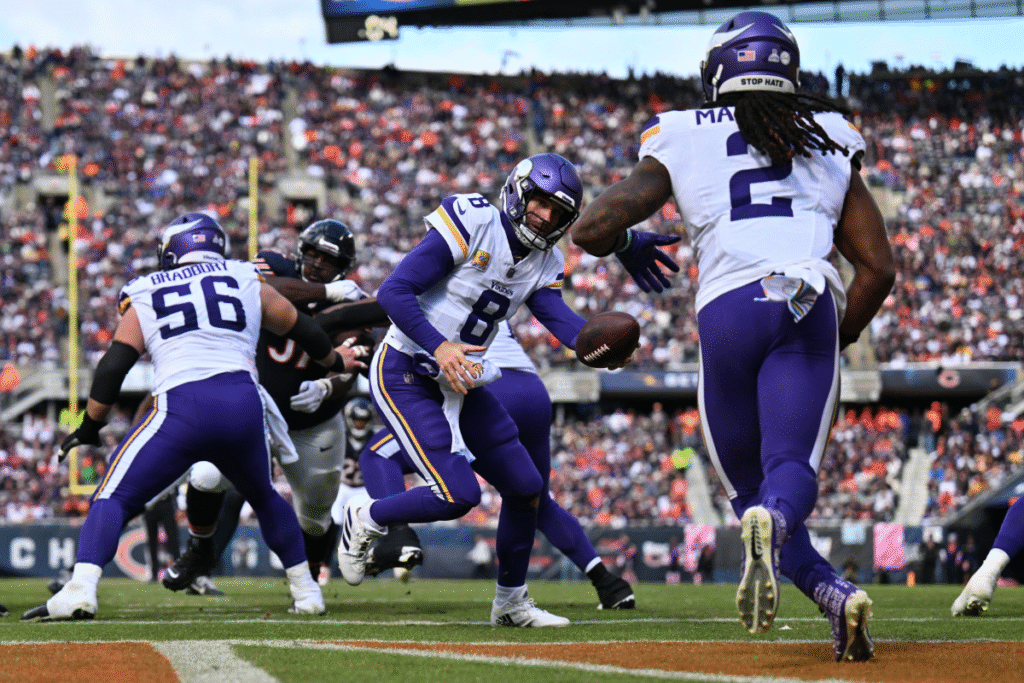
You know what’s fascinating? The Vikings and Bears have a long-standing rivalry. Games like this aren’t just about one season—they’re part of a historical narrative. The stats from this match add another chapter to a story that fans have followed for decades. And comparing today’s numbers to past performances helps highlight improvements, tactical shifts, and player development over time.
Conclusion: Stats Are Stories
The Minnesota Vikings vs Chicago Bears match player stats are more than just numbers—they’re snapshots of effort, strategy, and drama. Kirk Cousins, Justin Jefferson, Justin Fields, and others all left their mark, but beyond stats, this game was about resilience, adaptability, and moments that fans will remember. So next time you glance at a stat sheet, remember: behind each number is a story, a play, and a player who made it happen. Football isn’t just about winning; it’s about appreciating the craft, the effort, and the magic on the field.
FAQs
Q1: Who led the Vikings in receiving yards in this game?
A: Justin Jefferson led the Vikings with over 100 receiving yards and 2 touchdowns.
Q2: How did Justin Fields perform against the Vikings’ defense?
A: Fields threw for 250+ yards, 2 touchdowns, and added 60 rushing yards, showing both passing and running versatility.
Q3: Which defensive players made the biggest impact?
A: Danielle Hunter and Harrison Smith for the Vikings, Roquan Smith and Akiem Hicks for the Bears, all creating key stops and turnovers.
Q4: Why are player stats important for fans?
A: Stats reveal player performance, strategic decisions, and the flow of the game, helping fans understand more than just the final score.
