


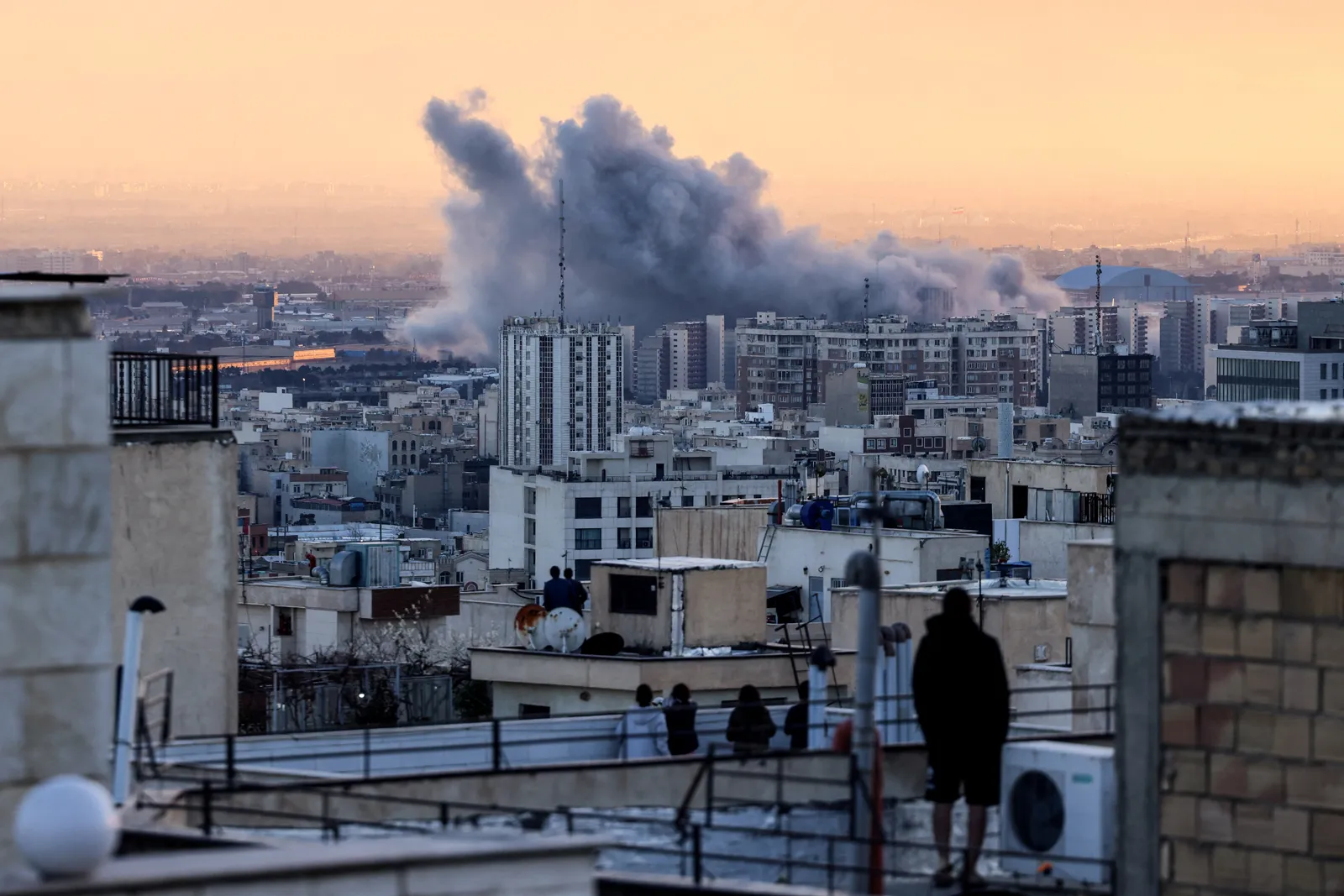
When people search for iran strikes us, they often want a simple explanation. The conflict has become a major international story. It has also affected shipping, energy markets, military bases, and regional security. Reports describe fighting between Iran and the United States. Several Gulf countries have also faced attacks or security alerts. The situation has changed several times during 2026. Some reports also contain claims that have not received independent confirmation. Therefore, readers should separate confirmed events from statements made by either side. Recent reporting says the United States and Iran remain involved in a prolonged conflict. The Congressional Budget Office estimated that the U.S. war cost about $38 billion through August 1. It also projected further monthly costs. This article explains the main issues in clear language. It focuses on what happened, why it matters, and what readers should understand.
What Does “Iran Strikes US” Mean?
The phrase iran strikes us usually refers to Iranian military attacks connected with American forces or facilities. It can also describe attacks against locations hosting U.S. personnel. This difference is important because American forces operate across several countries. Iran has targeted or threatened American military interests during the conflict. Reports have described missile and drone attacks around Bahrain, Kuwait, Jordan, and other locations. Some Iranian statements claimed major damage to U.S. facilities. American officials have disputed some of those claims. Therefore, each reported attack needs careful verification. The phrase does not always mean Iran attacked the United States itself. It can refer to attacks against American bases or interests overseas. This is one reason headlines can sometimes create confusion. Understanding the location helps explain what actually happened.
Why Did Iran and the United States Fight?
The current conflict grew from a wider confrontation involving military action, regional security, and the Strait of Hormuz. The United States has carried out strikes against Iranian targets. Washington has said some military operations were connected to threats against shipping. Iran has responded with attacks against American interests and regional partners. The two sides have presented very different explanations for the conflict. Each government has described its actions as responses to threats. That makes the situation difficult for casual readers to follow. The conflict also involves Israel, Gulf states, Yemen, and other regional actors. These connections mean that one attack can quickly create wider security problems. The result is a complicated regional crisis rather than a simple two-country dispute.
Where Have Iranian Attacks Been Reported?
Reports of iran strikes us incidents have included several locations outside Iran. Bahrain is especially important because it hosts the headquarters of the U.S. Navy’s Fifth Fleet. Iran has also been accused of targeting American-linked facilities in Kuwait and Jordan. Reports have described missile and drone activity around these countries. Gulf governments have used air defenses during periods of heightened tension. Some attacks were intercepted before reaching their reported targets. Other incidents caused damage or injuries, according to regional reports. However, battlefield information can change quickly. Claims made during active fighting are not always independently verified. Readers should therefore check multiple credible sources before accepting dramatic claims. Geography also matters because U.S. military personnel are stationed across the region.
What Role Does the Strait of Hormuz Play?
The Strait of Hormuz is one of the most important parts of this conflict. It connects the Persian Gulf with the Gulf of Oman. Large amounts of global energy supplies normally pass through this narrow waterway. Military tensions have sharply reduced commercial shipping through the area. Reuters reported that only a small number of vessels were passing through during recent periods. This has created concerns about oil prices and fuel supplies. Ships also face risks from attacks, mines, and military activity. The United States has used naval forces to support shipping operations. Iran has linked reopening the waterway with conditions involving Washington. Therefore, the conflict is not only about military bases. It also affects international trade and the global energy market.
How Have US Forces Responded?
The United States has carried out repeated military strikes against Iranian targets during the conflict. American officials have described targets that included missile systems, drones, coastal defenses, and military facilities. Earlier U.S. operations also struck locations near important Iranian ports. The stated goals have changed with developments on the ground. Protecting shipping and reducing military threats have been central themes. The United States has also deployed naval and air forces across the region. These deployments provide air defense and support for commercial shipping. They also increase the risk of further confrontation. Military operations can produce unexpected consequences even when their stated objectives are limited. That is why each new exchange receives close attention from governments and markets worldwide.
What Weapons Have Been Used?
The iran strikes us conflict has involved missiles, drones, aircraft, naval forces, and defensive systems. Iranian forces have used missile and drone attacks against regional targets. The United States has used aircraft, naval assets, and precision weapons during its operations. Air-defense systems have played a major role as well. Countries hosting American forces have activated defensive systems during attacks. Some Iranian claims about successful strikes remain disputed. Independent confirmation is often difficult during active combat. This is why responsible reporting should clearly identify who made each claim. Readers should also avoid treating social-media videos as automatic proof. Old footage can sometimes be presented as new material. Reliable reporting compares statements, images, official releases, and independent evidence.
What Has Happened to American Military Bases?
American military bases across the Middle East have become important parts of the conflict. Iran has reported attacks against bases in countries such as Bahrain, Kuwait, and Jordan. Some reports have described missile interceptions near these facilities. American officials have disputed certain Iranian claims about damage. The wider conflict has nevertheless caused documented damage to American military assets. An Associated Press report on a Pentagon watchdog review described aircraft, bases, and diplomatic facilities affected by the war. Military bases are difficult targets because they often have layered defenses. Even so, drones and missiles can create serious risks. The presence of U.S. forces across several countries also increases the geographic size of the conflict.
How Has the Conflict Affected Oil Prices?
The iran strikes us conflict has had a clear connection with energy markets. Traders closely watch every development around the Strait of Hormuz. Any serious disruption can reduce the amount of oil reaching international markets. Recent Reuters reporting showed oil prices rising as regional supply concerns increased. Shipping disruptions can also increase insurance and transportation costs. Those expenses may eventually affect businesses and consumers. The impact is not limited to countries near Iran. Energy prices influence transportation, manufacturing, food distribution, and household budgets worldwide. However, prices can move for many reasons at once. Therefore, one military event should not automatically be treated as the only cause of a price change.
What Is the Human Impact?
The human cost is one of the most serious parts of the conflict. Military attacks can kill or injure soldiers and civilians. They can also damage homes, airports, energy facilities, and public infrastructure. Regional countries have reported injuries and emergency alerts during missile and drone attacks. American forces have also suffered deaths and damage during the wider conflict. Reuters reported that 18 American service members had died by September 15. Numbers from active conflicts can change quickly. Civilian casualty figures can also be difficult to verify independently. Beyond direct casualties, people face fear, displacement, travel restrictions, and economic pressure. These effects can continue long after individual strikes end.
How Much Has the War Cost?
The financial impact of iran strikes us and the wider war is significant. The Congressional Budget Office estimated that the United States had spent about $38 billion through August 1. It projected that costs could rise by about $3 billion each month. The estimate includes major military expenses. It also reflects the strain caused by replacing used weapons. The CBO said the war could affect inflation in 2027. Energy disruptions can add another economic burden. Businesses may face higher shipping and insurance costs. Governments may also need to spend more on defense. These costs show that modern conflicts can affect economies far beyond the battlefield. The final cost will depend on how long the conflict continues.
Could the Conflict Spread Further?
A major concern surrounding iran strikes us is the possibility of a wider regional conflict. Iran has warned that continued American attacks could bring further retaliation. Gulf states have also faced threats and military incidents. Iran-backed Houthi forces in Yemen have separately attacked Saudi targets during the wider crisis. These developments make the situation harder to contain. More countries could face economic or security pressure if fighting expands. Shipping routes are especially vulnerable because several important waterways connect the region. A wider conflict could also create additional energy shortages. At the same time, diplomatic contacts show that military escalation is not the only path being discussed. The situation remains fluid, so future developments cannot be stated with certainty.
Are Iran and the US Still Fighting?
As of September 16, 2026, the broader U.S.-Iran conflict remains active. Recent reporting has focused on military pressure, shipping disruptions, and possible diplomatic efforts. Reports from September also indicate periods without newly announced U.S. strikes on targets inside Iran. However, regional attacks and military tensions have continued. This means the situation should not be described as simply peaceful or fully resolved. President Donald Trump has publicly discussed the possibility of a deal. Iran has also communicated conditions for negotiations. Reuters reported that Iran had rejected talks unless its stated conditions were met. Readers should watch for verified announcements rather than relying on social-media rumors.
What Could Happen Next?
The future of the iran strikes us conflict depends on military and diplomatic decisions. One possibility is continued military pressure around Iranian military and maritime targets. Another possibility involves negotiations aimed at reducing fighting. The Strait of Hormuz remains a major issue in any diplomatic discussion. Iran has connected the waterway’s reopening with demands involving U.S. actions and sanctions. Shipping companies will also watch the area closely. Governments may increase air-defense measures around important bases. Energy markets will react to signs of either escalation or de-escalation. No reliable source can guarantee what happens next. Active conflicts can change within hours. The safest approach for readers is to follow dated reports from several established news organizations.
How Should Readers Follow the Iran-US Conflict?
People searching for iran strikes us should be careful with breaking-news content. First, check the publication date. Old stories can appear beside new reports in search results. Second, identify whether a statement comes from Iran, the United States, or an independent source. Third, look for confirmation from multiple credible outlets. This is especially important for casualty numbers and claims about destroyed military equipment. Fourth, avoid sharing dramatic videos without checking their origin. Images can be taken from earlier conflicts. Finally, remember that military information can remain uncertain for some time. A careful reader does not need to accept every claim immediately. Waiting for independent confirmation can provide a much clearer picture. This simple approach is useful during any fast-moving international crisis.
Why This Conflict Matters Beyond the Middle East
The iran strikes us conflict matters because its effects reach far beyond Iran and America. Oil prices can affect households around the world. Shipping problems can increase the cost of imported goods. Airlines may also change routes because of airspace risks. Businesses that depend on energy can face higher operating costs. Governments must also consider the safety of their citizens and military personnel. The conflict has already affected global markets and regional transportation. Reuters reported major disruption to shipping through the Strait of Hormuz. This shows why events in one region can influence everyday life elsewhere. Understanding the wider effects helps readers follow the story without focusing only on individual attacks.
Key Facts About the Iran-US Conflict
| Topic | Current information |
| Main countries involved | Iran and the United States |
| Wider region | Persian Gulf and broader Middle East |
| Major strategic waterway | Strait of Hormuz |
| Commonly reported weapons | Missiles, drones, aircraft, naval systems |
| Major U.S. military presence | Bahrain, Kuwait, Jordan, and other regional locations |
| Major economic concern | Oil supply and shipping disruption |
| Reported U.S. war cost | About $38 billion through August 1 |
| Current status | Conflict and regional tensions remain active |
| Diplomatic efforts | Discussions and possible negotiations have been reported |
| Information warning | Some battlefield claims remain disputed |
Final Thoughts on Iran Strikes US
The phrase iran strikes us describes a major part of the wider conflict between Iran and the United States. The story includes military attacks, regional bases, shipping problems, energy concerns, and diplomatic efforts. It also contains many competing claims. That makes reliable information especially important. Recent reports show that the conflict has created major military and economic costs. The Strait of Hormuz remains central because it affects international energy and shipping. The conflict has also created risks for countries hosting American forces. At the same time, reports of possible negotiations show that diplomacy remains part of the story. Readers should continue checking dates and sources as events develop. If you are following the conflict, focus on verified facts rather than unconfirmed social-media claims. That approach provides a clearer understanding of this complex international crisis.
FAQs About Iran Strikes US
1. What does “Iran strikes US” mean?
The phrase iran strikes us generally refers to Iranian attacks against American military forces, bases, or interests. These incidents can happen outside the United States. Several reported attacks have involved U.S. facilities in the Middle East. Some Iranian claims about damage have been disputed by American officials.
2. Why is Iran attacking American interests?
Iran has described its military actions as responses to U.S. operations and other threats. The United States has also described its strikes as responses to security threats. Both sides have offered different explanations. Readers should compare independent reporting before accepting either side’s full account.
3. Is the Strait of Hormuz important to the conflict?
Yes. The Strait of Hormuz is a major route for global energy shipments. Military activity has sharply reduced commercial traffic through the waterway. Recent reports showed shipping activity falling to very low levels.
4. Has the conflict affected oil prices?
Yes. Concerns about shipping and energy supplies have pushed oil prices higher at various points. Reuters reported fresh price increases amid concerns about regional supply disruptions. However, many factors can influence oil prices at the same time.
5. How much has the US war with Iran cost?
The Congressional Budget Office estimated the cost at about $38 billion through August 1. It also projected that the monthly cost could increase by roughly $3 billion. These figures may change as the conflict continues.
6. Is the Iran-US conflict over?
No clear final end to the conflict had been established in the latest reports available on September 16, 2026. Military tensions and shipping problems remained. At the same time, reports indicated that diplomatic discussions were being considered.
