


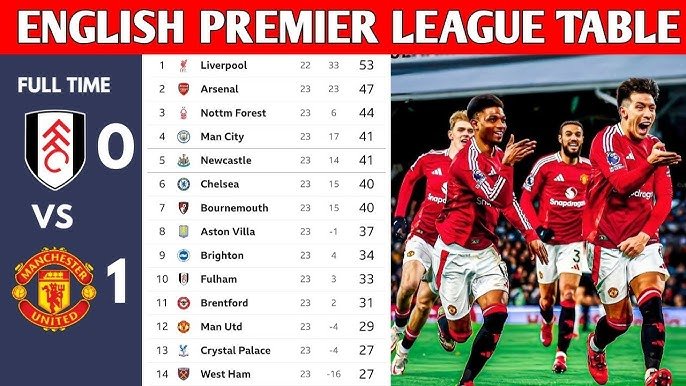
The PL table is one of the easiest ways to follow the Premier League season. It shows how every team is performing. Fans can quickly see points, wins, draws, losses, goals, and league position. The table also helps explain the title race and the fight for European places. It can show which clubs are improving and which teams are struggling.
The PL table changes after almost every league match. A single win can move a club several places. A late goal can also change goal difference. This makes the standings exciting throughout the season. In this guide, we explain each part of the table in simple words. We also cover points, goal difference, promotion, relegation, European spots, and other key terms. The goal is to help new and regular football fans understand league standings with ease.
What Is the PL Table?
The PL table is the official league standings format used to rank Premier League clubs. It places teams in order based on their results. Each club plays home and away matches against the other teams. Results from these games decide their position in the standings.
A team earns three points for a win. A draw gives each team one point. A loss gives zero points. Teams with more points normally sit higher in the table. If two or more teams have the same points, other ranking rules are used. These rules can include goal difference and goals scored. The table therefore gives fans a quick picture of the season. It also helps show who is challenging for the title and who is fighting to avoid relegation.
Understanding PL Table Columns
The PL table contains several short labels. These labels may look confusing at first. However, each one has a simple meaning. “P” means matches played. “W” means wins, while “D” means draws. “L” means losses.
“GF” means goals for. It shows how many goals a team has scored. “GA” means goals against. It shows how many goals the team has conceded. “GD” means goal difference. This is calculated by subtracting goals against from goals for. “Pts” means points. This is often the most important column when checking league position. Understanding these terms makes it much easier to read standings. You can then compare clubs without needing complicated football knowledge.
How Are Premier League Points Calculated?
Points are the main factor in the PL table. The system is simple. A team receives three points when it wins a league match. A draw gives one point to each club. A defeat gives no points.
For example, imagine a club plays five matches. It wins three games, draws one, and loses one. Three wins provide nine points. The draw adds another point. The club therefore has 10 points. This system rewards teams that win regularly. It also means a team can climb quickly after a strong run. Points can become especially important near the end of the season. Small differences may decide the title, European qualification, or relegation.
Why Goal Difference Matters
Goal difference is an important part of the PL table. It compares goals scored with goals conceded. The calculation is simple: goals for minus goals against equals goal difference.
Suppose a club scores 20 goals and allows 12. Its goal difference is +8. A team scoring 20 goals but conceding 18 has a +2 difference. If both clubs have the same points, the team with the stronger goal difference may rank higher.
This makes every goal important. A team can benefit from winning by several goals. Strong defending also helps protect goal difference. For this reason, fans often watch the score even after a match seems decided. A late goal can sometimes change a club’s place in the standings.
What Does the Top of the Table Mean?
The top position in the PL table belongs to the league leader. This club has the strongest ranking under the current standings rules. Finishing first at the end of the season means winning the Premier League title.
The title race can include several clubs. Teams may move between first and second place during the season. A small points gap can create a very close contest. A larger gap can make the leader more comfortable. However, football seasons are long. Injuries, fixture congestion, form, and difficult matches can change the picture quickly. This is why checking the latest standings is useful. The final champion is decided only after the league season is complete.
European Football and League Positions
The PL table also matters for European football. High finishing positions can provide access to UEFA competitions. The exact number of qualifying places can vary based on season rules and European performance.
Teams near the top often compete for Champions League football. Other high positions may lead to Europa League or Conference League qualification. These places can be extremely valuable for clubs. European football can bring extra income and attract talented players.
The exact qualification route should always be checked for the relevant season. UEFA rules and domestic allocation can change. Fans should therefore avoid relying on old tables or outdated explanations. Current competition rules provide the best information.
What Happens at the Bottom of the PL Table?
The bottom of the PL table is just as important as the top. The clubs finishing in the relegation places move down to the Championship. Relegation can have a major effect on a club.
Teams near the bottom often fight for every point. A win against another struggling club can be worth a lot. Goal difference may also become important during the final weeks. Some clubs can escape relegation with a strong late run.
The relegation battle creates drama throughout the season. A club may appear safe one week and face danger the next. This is why fans should look at both points and remaining fixtures. The table shows the current situation, but upcoming matches can change everything.
How Many Matches Does Each Team Play?
Each Premier League club normally plays 38 league matches during a full season. There are 20 clubs in the competition. Every club faces each opponent twice.
One match takes place at home. The other is played away. This creates 38 matches for each team. The same structure applies across the league.
Because every club plays the same number of league matches, comparisons become easier. However, teams can have different numbers of completed matches at certain points. Postponed fixtures can create this difference. When that happens, a team may have games in hand. Fans should consider matches played before judging the standings too quickly.
Why the PL Table Changes So Often
The PL table can change after every round of fixtures. Winning a match usually adds three points. A draw adds one point. Losing provides no points.
A team can move several positions if other clubs lose. This is especially common when points are close. For example, five teams might be separated by only a few points. One matchday can therefore create major changes.
Goal difference can also influence movement. Two clubs with equal points may switch places after one scores several goals. This makes the table a live part of the Premier League experience. Fans often check standings immediately after the final whistle. It provides a quick view of how each result affects the wider competition.
What Is a Game in Hand?
A game in hand means a team has played fewer matches than another club. This usually happens because of a postponed fixture. Cup competitions, weather, or scheduling issues can sometimes affect match dates.
A team with a game in hand may have a chance to gain extra points. However, those points are not guaranteed. Fans should not automatically add three points to the club’s total.
For example, imagine Team A has 50 points from 25 matches. Team B has 52 points from 27 matches. Team A has two games in hand. This does not mean Team A will definitely finish higher. It simply has more matches left to play. The PL table must be read alongside the fixture list for better context.
How to Compare Two Teams
Comparing clubs in the PL table is easy when you follow a few steps. First, check points. The team with more points normally ranks higher. If the points are equal, check the applicable tie-break rules.
Next, look at goal difference. A positive number usually shows that a team has scored more than it conceded. You can also review goals scored and recent results.
It is useful to check home and away performance too. Some clubs are much stronger at home. Others collect more points on the road. Looking beyond the basic position gives a clearer picture. It can explain why two teams with similar points may have very different seasons.
Why Recent Form Is Useful
The PL table shows the full season, but recent form adds useful context. A club’s last five matches can reveal whether its performance is improving or declining.
For example, a team sitting eighth may have won four of its last five games. Another club in fifth place may have lost three recently. The overall table still ranks the clubs by season performance. However, recent results can suggest where momentum is heading.
Form is not a guarantee of future results. Football can change quickly. Strong teams can lose unexpected games. Smaller clubs can also produce surprise results. Still, recent form is a helpful tool when studying the standings. It gives fans more information than league position alone.
PL Table and Head-to-Head Matches
Fans sometimes ask what happens when teams have the same points. The answer depends on the competition’s current regulations. Tie-break procedures can involve goal difference, goals scored, and other criteria.
This is why it is important to check the rules for the specific Premier League season. Football regulations can change over time. A general explanation may not always apply to every competition.
When checking the PL table, do not focus only on points. Look at all displayed statistics. This helps you understand why one club is above another. It also prevents confusion when two teams have identical points. Official competition information is the safest place to confirm final tie-break outcomes.
How to Read a Live PL Table
A live PL table can change while matches are still being played. Many football websites update standings as goals and results happen.
Imagine a team begins the day in sixth place. It scores a winning goal during its match. The live table may immediately move the club higher. Another team can then score and change the order again.
Live standings are useful for following busy matchdays. However, they are not final until the relevant matches finish. A team can appear higher for several minutes before another result changes the rankings. Always check the completed results before treating a live position as final.
Using the PL Table to Follow a Season
The PL table is more useful when you track it over time. Checking standings after every matchday can show how a team’s season develops.
You can record points, goal difference, and position. Then compare these numbers after several weeks. This helps reveal long-term trends. A club that climbs slowly may be building strong consistency. Another club may start well but fall later.
The table is also useful when studying fixtures. Upcoming matches can show whether a club faces difficult opponents. Still, fixture difficulty is not certain. Football often produces unexpected results. The best approach is to use the table as one useful tool among several.
PL Table Statistics Worth Watching
Several numbers can make the PL table easier to understand. Points are the first place to look. Goal difference is another important figure.
Goals scored can show attacking output. Goals conceded can highlight defensive problems. Wins show how often a club takes maximum points. Draws can reveal missed opportunities or strong defensive performances.
You can also review home and away records. These numbers can help explain a club’s position. For deeper analysis, expected goals and other advanced football statistics may provide extra insight. However, basic table numbers are enough for most fans. Simple statistics often give a clear picture without making football feel complicated.
Why the PL Table Matters to Fans
The PL table gives meaning to every league match. A win does more than create a happy weekend. It can move a team closer to its season goal.
For title contenders, points can decide the championship. For clubs chasing Europe, every result can affect qualification chances. At the bottom, one victory can provide a lifeline.
The table also creates friendly debate among supporters. Fans compare points, form, goals, and upcoming fixtures. It gives everyone a simple way to follow the bigger story. Whether you watch every game or only check results, the standings remain one of the best tools for understanding the Premier League.
Tips for Following Premier League Standings
Start by checking points and matches played. Then look at wins, draws, losses, and goal difference. These basic numbers explain much of the table.
Next, check recent form. Look at the upcoming fixture list as well. A team with fewer points may have more matches remaining. That can change the outlook.
Avoid judging a season from one match. Football is unpredictable. A single result rarely tells the complete story. It is better to watch trends across several weeks.
Also, use reliable football sources for current standings. Tables can change quickly. Always check the date and competition season before sharing information.
Frequently Asked Questions
1. What does PL table mean?
The term PL table usually means the Premier League standings. It ranks clubs based on their league results. It includes points, wins, draws, losses, goals, and goal difference. Fans use it to track the title race, European places, and relegation battle.
2. How many points does a Premier League win give?
A Premier League win gives a team three points. A draw gives one point to each club. A loss gives zero points. These results determine most of the movement in the standings.
3. What does GD mean in the table?
GD means goal difference. It is calculated by subtracting goals conceded from goals scored. For example, 30 goals scored and 20 conceded gives a goal difference of +10.
4. Why are two teams sometimes level on points?
Two teams can have the same number of points. Competition tie-break rules then determine their order. Goal difference and goals scored are important factors. Always check the current Premier League rules for exact details.
5. What are games in hand?
A game in hand means a club has played fewer matches than another club. It can happen because of a postponed fixture. The club may have a chance to earn more points later. However, those points are not guaranteed.
6. Why is the bottom of the table important?
The bottom positions decide which clubs face relegation. Teams that finish in the relegation places normally move to the Championship. This makes the final weeks very important for clubs near the bottom.
Conclusion
The PL table turns hundreds of football results into one simple picture. It shows who is leading, who is chasing Europe, and who is fighting to stay up. Learning the basic columns makes the Premier League much easier to follow.
Remember to check points first. Then look at goal difference, matches played, and recent form. Do not ignore games in hand or upcoming fixtures. These details can change the bigger picture. Most importantly, enjoy the competition. The table tells the story of the season one match at a time.
