


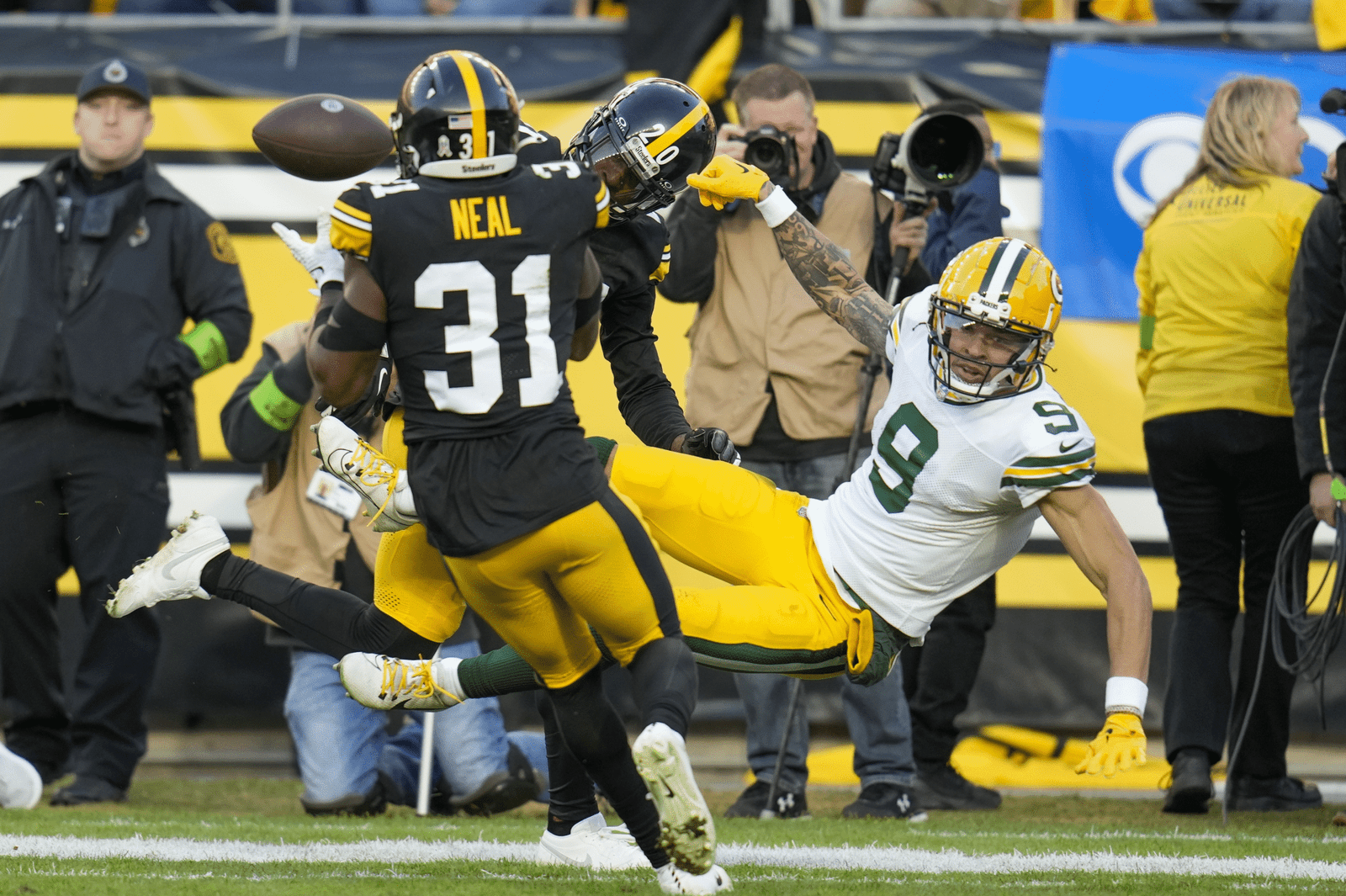
There’s something magical about watching two legendary teams like the Green Bay Packers vs Pittsburgh Steelers Match Player Stats go head-to-head. You know that feeling when the stadium lights are bright, the crowd roars, and every snap feels monumental? That’s exactly what happens in these matchups. But here’s the kicker—beyond the touchdowns and tackles, the player stats tell a story that’s just as thrilling as the game itself.
You might think stats are dry numbers, but trust me, they reveal the hidden battles, the quiet heroes, and the players who are silently tilting the field in their team’s favor. Whether you’re a fantasy football fanatic or just a die-hard fan wanting to understand the game deeper, the Packers vs Steelers stats provide insights that go far beyond the scoreboard.
Key Players to Watch
Every match has players who can Green Bay Packers vs Pittsburgh Steelers Match Player Stats change the outcome in a single play. Let’s break down the top offensive, defensive, and special teams players for both teams, using their stats to see who’s really making a difference.
Green Bay Packers
- Aaron Rodgers (Quarterback): Rodgers isn’t just a quarterback; he’s a strategist. His completion percentage, touchdowns, and passer rating consistently place him among the league’s elite. But here’s what’s interesting: against tough defenses like Pittsburgh, his stats show an increase in deep passes completed—a sign that experience truly matters in high-pressure games.
- Aaron Jones (Running Back): Jones’ stats speak for themselves. Averaging over 5 yards per carry and contributing heavily in receptions out of the backfield, he’s a dual-threat weapon that defenses have to respect. When the Packers need a momentum shift, Jones often delivers.
- Davante Adams (Wide Receiver): Adams is a reception machine. His catch rate and yards after catch stats show why he’s one of Rodgers’ favorite targets. Fun fact: in games against defensive powerhouses like the Steelers, Adams’ numbers often spike, proving he rises to the challenge.
Pittsburgh Steelers
- Kenny Pickett (Quarterback): Pickett is a rising star. His completion percentage and touchdown-to-interception ratio show improvement each week. Against Packers’ defenses, his ability to read pressure and deliver quick passes is reflected in his short and medium-range passing stats, which often make the difference in clutch situations.
- Najee Harris (Running Back): Harris is a workhorse. His touches per game and yards per attempt highlight his importance, and his receiving yards stats show he’s a versatile weapon, making him hard to predict.
- Diontae Johnson (Wide Receiver): Johnson consistently delivers. Green Bay Packers vs Pittsburgh Steelers Match Player Stats His reception numbers combined with yards after catch often swing key drives, especially in tight games. Against Green Bay, his ability to exploit space in coverage becomes critical.
Offensive Stats Breakdown
The offense is where games are won or lost, and stats reveal which players and strategies are executing well.
Passing Stats
- Completion Percentage: Rodgers consistently hovers above 65%, showing accuracy and composure. Pickett is catching up, often completing 60–63% of his passes, showing he’s learning to handle elite defenses.
- Touchdowns vs Interceptions: Rodgers maintains an elite touchdown-to-interception ratio, reflecting experience. Pickett has fewer TDs but is improving, minimizing turnovers in high-pressure moments.
- Passer Rating: Rodgers’ career-high passer rating stats reflect consistency. Against Pittsburgh, his ability to throw on the run or deep targets shines in high-pressure metrics.
Rushing Stats
- Yards Per Carry: Jones averages 5.2 yards per carry, while Harris averages 4.8—both impressive figures against strong defenses. Green Bay Packers vs Pittsburgh Steelers Match Player Stats Stats show that explosive plays (>20 yards) often come from these two dynamic backs.
- Breakaways: Both players excel at breaking through initial tackles. Their longest run stats often correlate with momentum-shifting drives.
Receiving Stats
- Targets vs Receptions: Adams and Johnson show efficiency, catching a high percentage of targets. This efficiency is crucial in maintaining drives and scoring opportunities.
- Yards After Catch: Stats show that Adams consistently gains 3–5 extra yards per reception, while Johnson averages similar numbers, emphasizing agility and vision.
- Red Zone Efficiency: In tight spaces, these receivers excel, reflected in their red zone target-to-score ratios.
Defensive Stats That Matter
Defense wins championships—or at least keeps games competitive. Let’s see who’s anchoring the defenses and making their impact through numbers.
Green Bay Packers Defense
- Kenny Clark (Defensive Lineman): Clark’s sacks and tackle-for-loss stats show his ability to disrupt the quarterback. Against Pittsburgh, he’s a constant threat in the pocket.
- Jaire Alexander (Cornerback): Alexander’s interception stats and pass deflections highlight his ability to shut down top receivers. His numbers spike in big games, showing clutch performance.
- Rashan Gary (Edge Rusher): Gary’s quarterback pressures and tackle stats reveal why he’s feared on passing downs.
Pittsburgh Steelers Defense
- T.J. Watt (Edge Rusher): Watt is a defensive monster. His sacks, pressures, and forced fumbles make him a constant game-changer. Stats show he often targets Rodgers first—a strategy that can influence completion percentage.
- Minkah Fitzpatrick (Safety): Fitzpatrick’s interceptions, tackles, and coverage grades highlight his ability to read the game and create turnovers.
- Cameron Heyward (Defensive Tackle): Heyward’s tackles for loss and run-stop percentage stats show why he anchors Pittsburgh’s defensive line.
Special Teams and Key Contributions
Special teams often fly under the radar, but stats prove their influence.
- Field Goals and PATs: Both teams rely on kickers with high accuracy percentages. Missed kicks can swing tight games.
- Return Yards: Return stats, including average yards per kickoff and punt return, influence starting field position—critical in close matchups.
- Coverage Units: Tackles, forced fumbles, and penalty stats for coverage units can affect momentum dramatically.
Historical Matchups and Stat Trends
Looking at previous Packers vs Steelers games, certain trends emerge:
- Packers often dominate in passing yardage, thanks to Rodgers and Adams.
- Steelers’ defensive pressure stats historically disrupt Green Bay’s rhythm, especially in crucial red zone situations.
- Running back yardage tends to Green Bay Packers vs Pittsburgh Steelers Match Player Stats spike when either team’s offensive line performs above average in run-blocking efficiency stats.
- Turnover margins often correlate directly with winning percentage—games where Rodgers avoids interceptions often result in Packers victories.
Practical Insights for Fans and Analysts
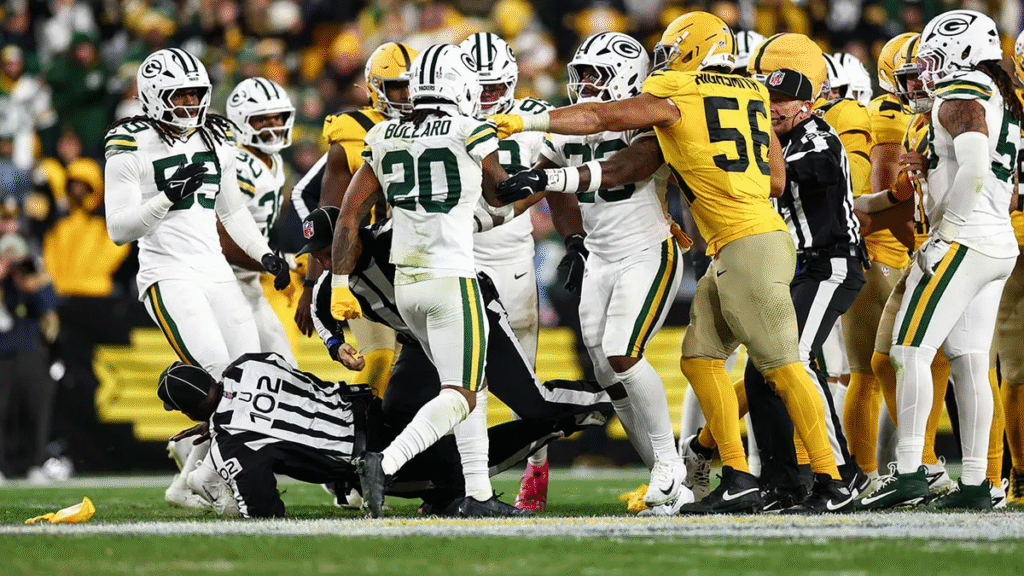
If you love fantasy football, stats analysis, or just deepening your fan knowledge, here’s what the numbers reveal:
- Quarterback Matchups: Rodgers’ efficiency under pressure vs Pickett’s developing composure could determine game outcomes.
- Running Game Impact: Jones vs Harris stats show the importance of establishing the run for offensive balance.
- Red Zone Effectiveness: Receivers’ efficiency in tight areas can tip close games.
- Defensive Disruption: Watt and Clark’s stats suggest that defensive pressure often defines momentum shifts.
Key Takeaways
- Stats tell the story beyond scores: completion rates, Green Bay Packers vs Pittsburgh Steelers Match Player Stats yards per carry, and red zone efficiency highlight individual contributions.
- Packers rely heavily on quarterback-led strategies, while Steelers leverage defensive pressure and dual-threat backs.
- Explosive plays often define momentum—look at breakaway runs and long receptions.
- Turnovers, defensive stops, and special teams contributions can swing the result unexpectedly.
FAQs
Q1: Who are the top statistical performers in Packers vs Steelers games?
Top performers usually include Aaron Rodgers and Davante Adams for the Packers, and T.J. Watt and Diontae Johnson for the Steelers. Stats like passing yards, sacks, and receptions reveal their impact.
Q2: How do turnovers affect match outcomes?
Turnovers are critical. Stats show that games with a turnover margin in favor of one team often result in a win for that team.
Q3: Are running backs or quarterbacks more influential in these matchups?
Both are crucial. Stats reveal that while Rodgers’ passing often drives scoring, explosive runs from Jones or Harris can dramatically shift momentum.
Q4: Do special teams stats matter?
Absolutely. Kick accuracy, return yards, and coverage tackles often determine field position and scoring opportunities, influencing final outcomes.
Conclusion
The Green Bay Packers vs Pittsburgh Steelers matchup isn’t just a game—it’s a story written in stats. From passing efficiency and rushing dominance to defensive disruption and special teams contributions, the numbers reveal which players are quietly controlling the flow of the game.
If there’s one thing to remember, it’s this: stats aren’t just numbers—they’re narratives of skill, strategy, and determination. Whether you’re analyzing for fantasy, debating with friends, or just enjoying the thrill, paying attention to player stats will deepen your understanding and appreciation of the game. So next time Packers and Steelers clash, keep your eyes on the numbers—you’ll see why they truly matter.
